
What do brands specify most in an athletic sock?
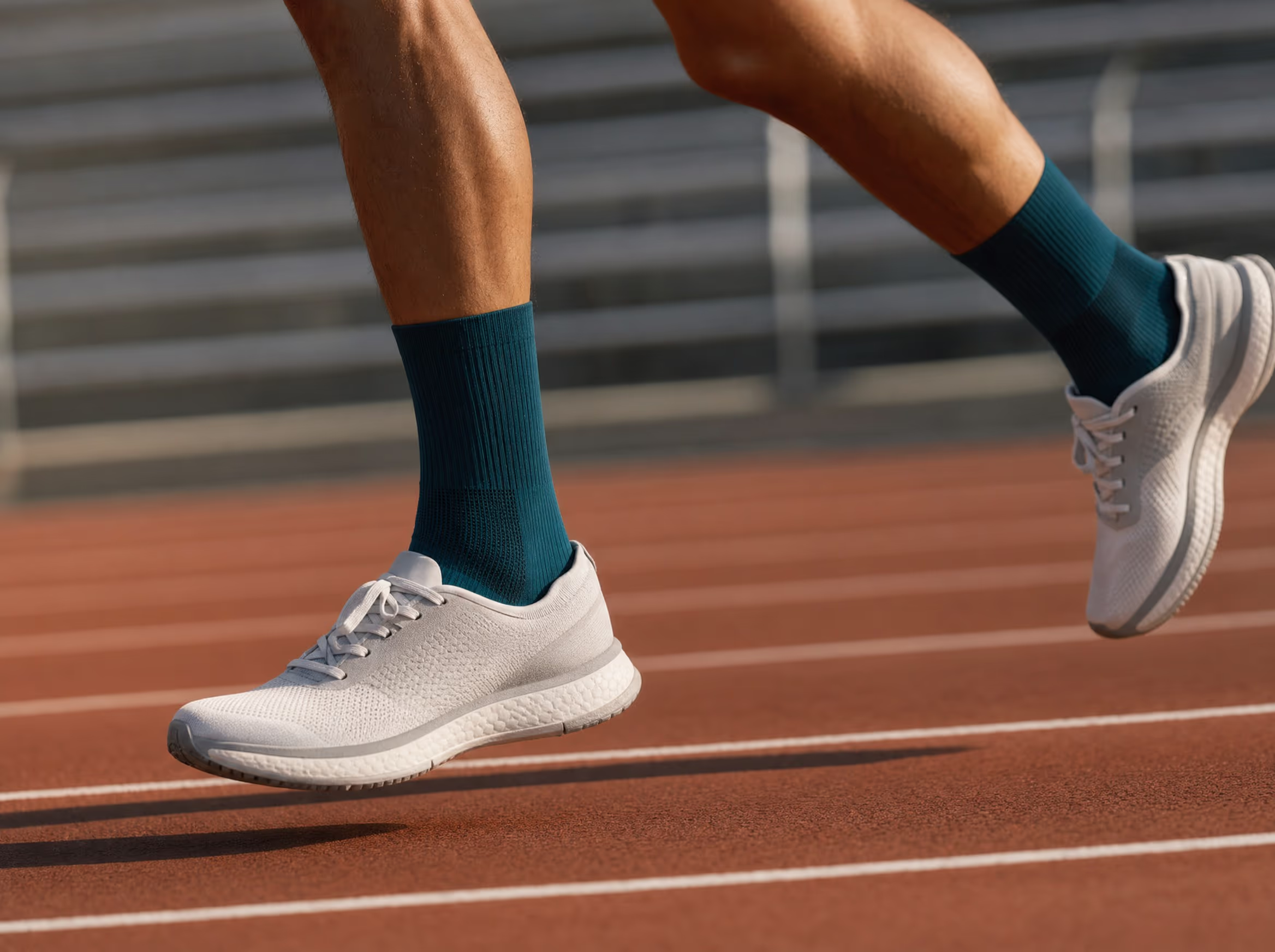
Sport programmes usually specify zoned cushioning, an arch band and a wicking yarn, then set the cuff height by the sport they sell into.
This page covers custom athletic socks: cushioned, moisture-wicking sport socks made by Sihman Inc. under your brand for activewear lines.
The wrong cushioning ruins a performance sock
Most performance socks fail for the same handful of reasons: padding that bunches under the arch, a cuff that slides into the shoe by the third mile, or a moisture-wicking claim that traps sweat instead of moving it. For an activewear brand, engineering a whole range right, a light race sock, a cushioned trainer, a gym sock, from one supplier is what turns a first order into a reorder.
Sihman Inc. is a private-label and OEM manufacturer, not a catalog reseller. We knit cushioning zones, mesh venting, and a compression arch band to your specification, so each sock in your range is tuned to its sport instead of reusing one generic blank under a different label.
Construction at a glance
- Cushioning: zoned terry under the heel and forefoot, thinner knit elsewhere, mapped per model from race-light to fully cushioned.
- Yarns: moisture-wicking polyester and nylon, Coolmax-style performance yarns, combed-cotton or merino blends for everyday training.
- Hold: a knit-in compression arch band as standard, with optional graduated compression up the leg.
- Lengths: no-show, ankle, quarter, and crew, every length carrying knit-in branding.
A multipack range that stays consistent
Activewear sells in color-led multipacks, so a sock has to look and perform the same on the first pair and the five-thousandth. We knit your colors and logo directly into each construction and hold that spec across reorders, with the sharpest pricing once a run passes 10,000 pairs. You supply the artwork and the performance brief; we own the knit, the grading, and the quality control.
One performance partner from sample to reorder
Because Sihman Inc. is a US company that imports as the importer of record, your finished socks enter the US on our paperwork and arrive on one duty-paid landed price, so the duty line is already inside the number on your cost sheet. Add short lead times for fast-moving ranges and you have a single manufacturer for the engineering, the branding, and the make quality, from the first sample through every in-season reorder.